
By Peter Tyldesley
When we moved into Orient Road, our front view was the mountain, our eastern boundary the vlei, the southern boundary the Muizenberg beach and to the north the vlei and wetlands which extended from Lakeside station to Steenberg station on both sides of the railway line. An absolute paradise for a young naturalist.
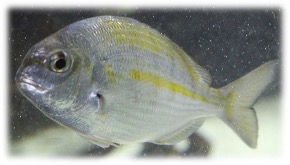
At that time there was a the jetty located approximately fifty metres on the southern side of the second ablution block. The jetty became the meeting point for many of the boys living in the area. Almost every weekday and every weekend they would come together there to fish. In the early sixties, before the weir at the mouth, the seawater would reach all the way to the main island, the current island in the northern part of the vlei. There used to be two islands. The second smaller island, located between the large island and the station was dredged away when the marina was built.
The prime target fish was, as it still is, leervis. But haarders (mullet), Cape stumpnose, White stumpnose and juvenile white steenbras were very common. There were occasional exceptions. If you managed to get your line out far enough in the direction of the campsite on the other side of the vlei directly opposite the jetty, you could catch an elf, or at least have the telltale evidence that one had visited your offering. The tail section of your haarder would be missing and there would be a semi-circular bite out of the body just below the anal fin. Surprise catches included Joseph’s sharks, wildeperd and dassies (blacktail).
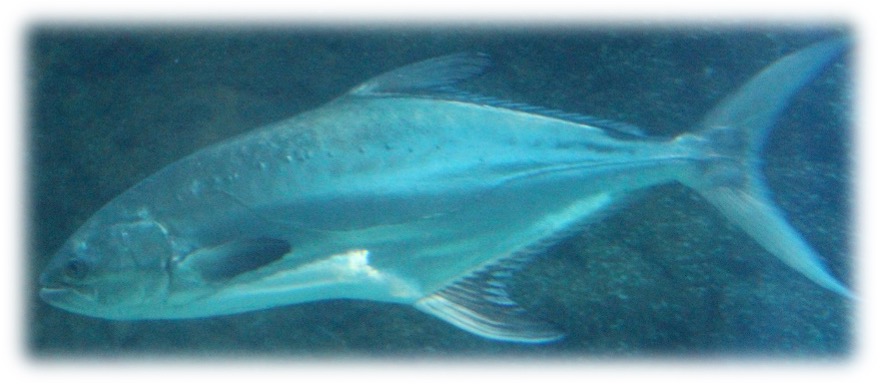
We used livebait to catch the leervis. Either haarders, which were caught using a milkbottle, or “bonies” which were smaller, but almost guarenteed to attract a leervis, if they were not stripped off the hook by larger Cape stumpnose first. If we wanted to target a large leervis, we would catch a small white stumpnose for bait. But then we knew we would have to wait a while for a bite and we were very impatient youngsters. We would rather catch four or five fish in a short time than wait for a big one. On one occasion I lost my handline and scratched around amongst Dad’s fishing bags for pieces of line which I knotted together to make a long enough line to caste out. I managed to catch a cape stumpnose for live bait and put it out for a leervis. I was messing around on the jetty with some friends when I noticed that the line, which I had tied to a pole, was taught. I rushed to the line and as I lifted it it snapped with a loud twang. That was a very large fish!.
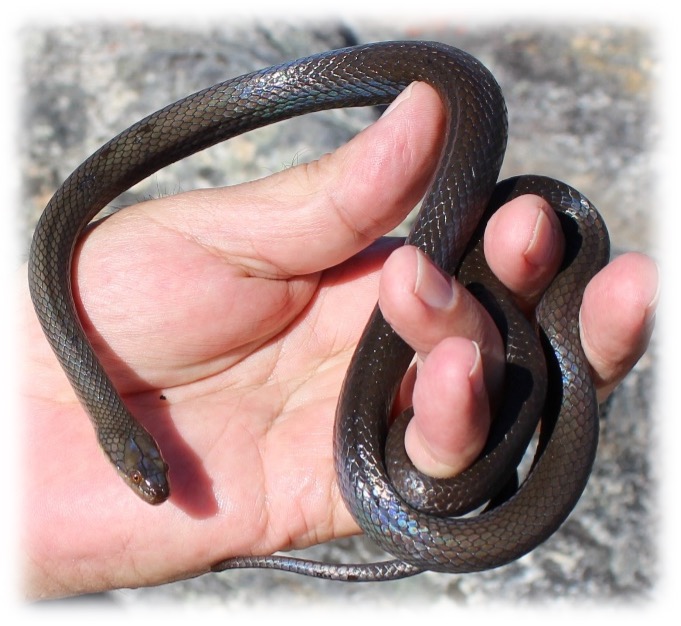
The strip of land between Promenade Road and the railway line was a swamp which was quite deep during winter (chest high). I know because I was playing Tarzan one day and the branch I was standing on broke off and I fell in and nearly drowned. The vegetation was dominated by stinkbean and willow trees – both invasive aliens. Most of the water disappeared during summer, but the deeper areas still remained damp. The perfect environment for watersnakes. On a day I was walking home after fishing, and out of curiosity I lifted a piece of malthoid which had been discarded. And there I found the first watersnake I kept as a pet. Needless to say, my mother was very uncomfortable. But my father understood and helped me build a suitable cage. He also purchased a copy of Walter Rose’s “The Reptiles and Amphibians of Southern Africa” (which I still have). He wanted to make sure I had at least a basic idea of what I was catching because he had a premonition that I would be bringing home many more snakes, some of which had nasty dispositions and were quite capable of shortening your expected lifespan. I read and paged through that book almost every night until the pages started falling out.
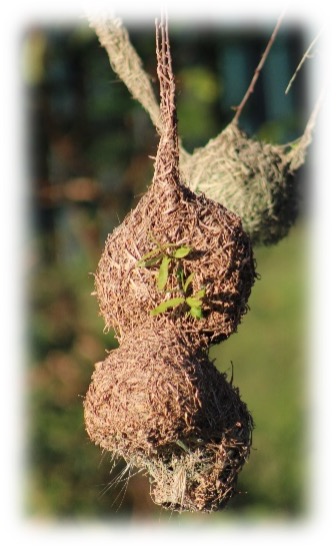
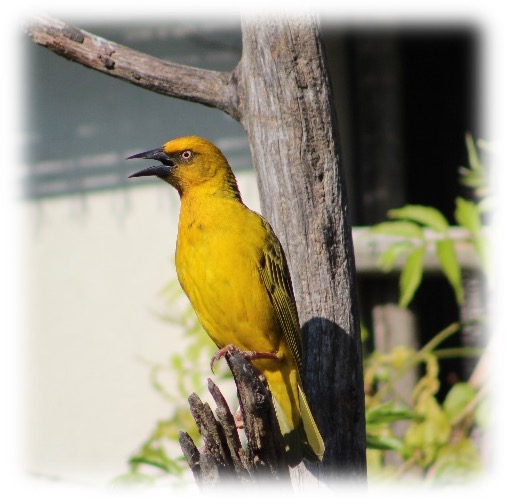
The strip between Promenade and the railway line was not the only wetland. The piece of land directly adjacent to the station on the vlei side was also a significant wetland during winter, with the water reaching the turnups of your shorts after a good rain. I knew this because my mother would take one look at me when I came home and say: “You have been walking in the vlei by the station. How many times must I tell you not to walk in there? If something happens to you in those reeds we will never find you”. But I was inquisitive and there were all kinds of wonderful discoveries to be made inside the thick reedbeds. The Cape weavers had their nests in there as well as the odd masked weaver and dabchick (little grebe). And so I kept going in there until one day I was working my way around a fairly large rooikrans bush when I came upon a dog which had only recently died in a shallow pool of water. It was very creepy. The next time I went past there I saw that someone had filled in the swamp and they had built a house there!


Leave a Reply